On July 28, 2026, the FCC added foreign-produced “advanced robotic devices” to its Covered List. Devices covered by the list are generally prohibited from receiving new FCC equipment authorization unless they receive a Conditional Approval.
Robot vacuums are not specifically named, but the FCC’s definition is broad enough to include many modern connected models. A foreign-produced robot falls under the new restrictions if it:
- moves, navigates, or avoids obstacles on the ground;
- operates remotely or autonomously using commands or sensor data;
- weighs more than 4.4 pounds (2 kg) when combined with its docking station, if applicable;
- includes a sensor capable of detecting its surroundings;
- has Wi-Fi, Bluetooth, cellular, satellite, or other network connectivity capable of at least 200 kbps; and
- uses software, firmware, AI, or machine learning to control navigation, perception, data collection, or remote operation.
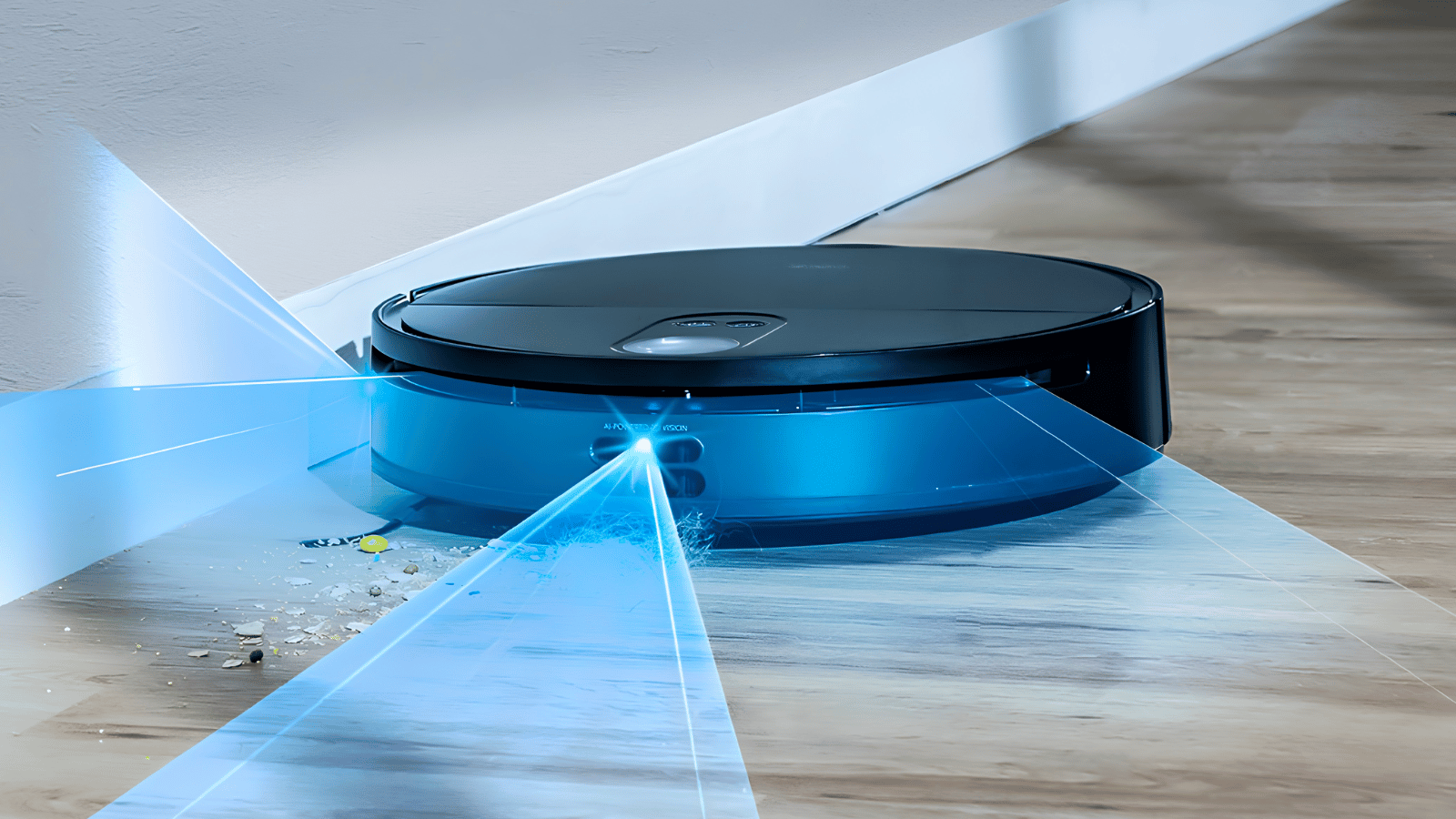
That description covers many current robot vacuums equipped with LiDAR, cameras, obstacle detection, mapping, Wi-Fi connectivity, and autonomous navigation.
What is the FCC?
For those wondering, FCC stands for the Federal Communications Commission. Robot vacuums commonly include wireless radios such as Wi-Fi and Bluetooth, which are subject to FCC requirements before qualifying products can be authorized for sale in the US.
With foreign-produced advanced robotic devices now on the Covered List, manufacturers may face additional hurdles when bringing new robot vacuums to the US. New covered models generally cannot receive FCC equipment authorization unless the manufacturer secures Conditional Approval from the Department of War.
This could affect future models from brands such as Roborock, Dreame, Ecovacs, Eufy, Narwal, and others that currently sell robot vacuums produced outside the US. However, the rules are based on where a device is produced rather than where the brand itself is headquartered.
What About Existing Robot Vacuums?
Previously authorized robot vacuum models can continue to be manufactured, imported, marketed, and sold in the US. That means your current robot vacuum will continue working normally, while retailers can continue selling models that already received FCC authorization.
The bigger impact will likely become apparent with future generations. A new robot vacuum launched in other markets may not necessarily reach the US unless its manufacturer can obtain the required approval.
For buyers, nothing changes immediately. However, the selection of new robot vacuums available in the US could become more limited if manufacturers struggle to get upcoming models approved.
So despite some headlines describing the move as a robot vacuum “ban,” the FCC has not banned the robot vacuum already cleaning your home. The restrictions primarily affect what comes next.